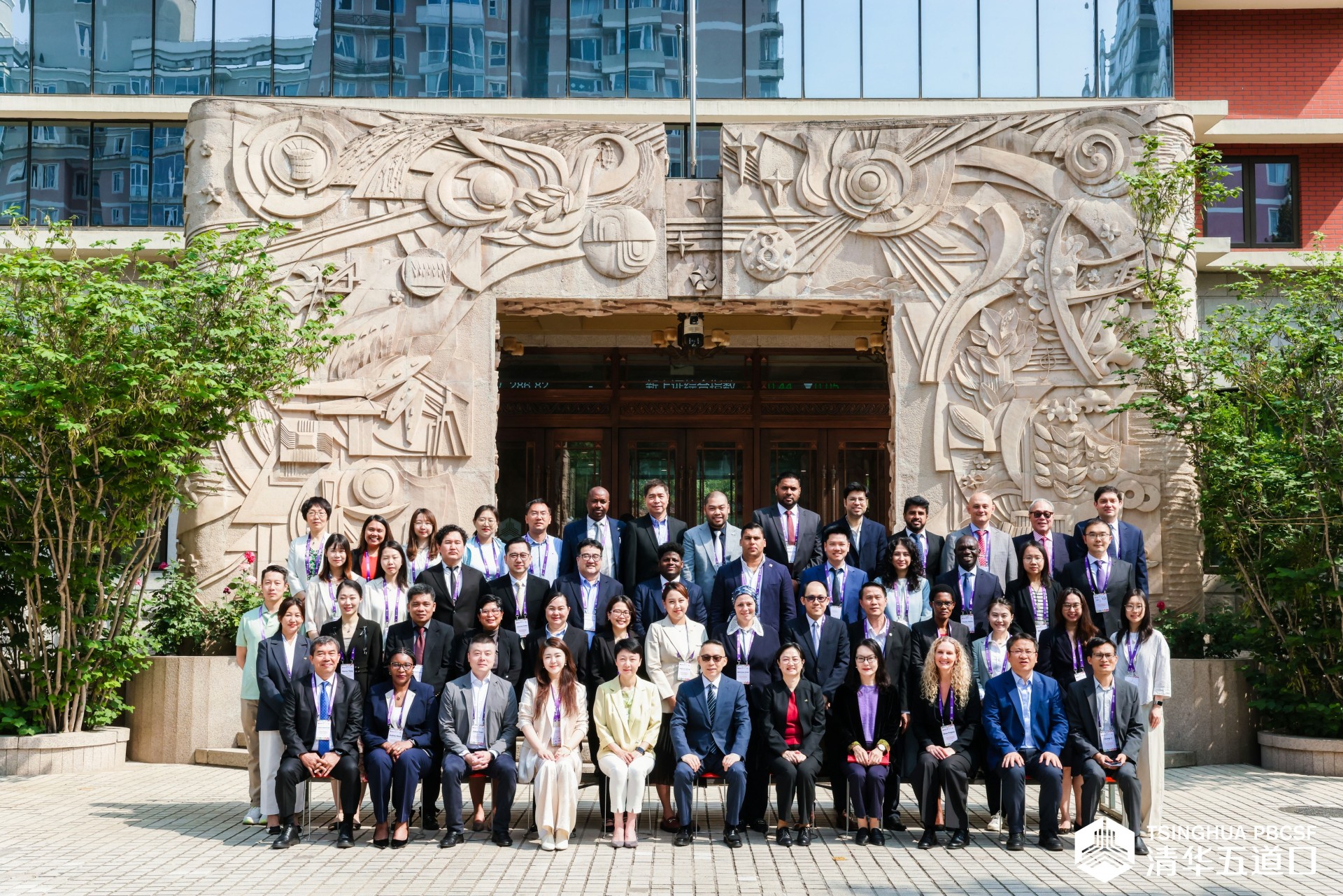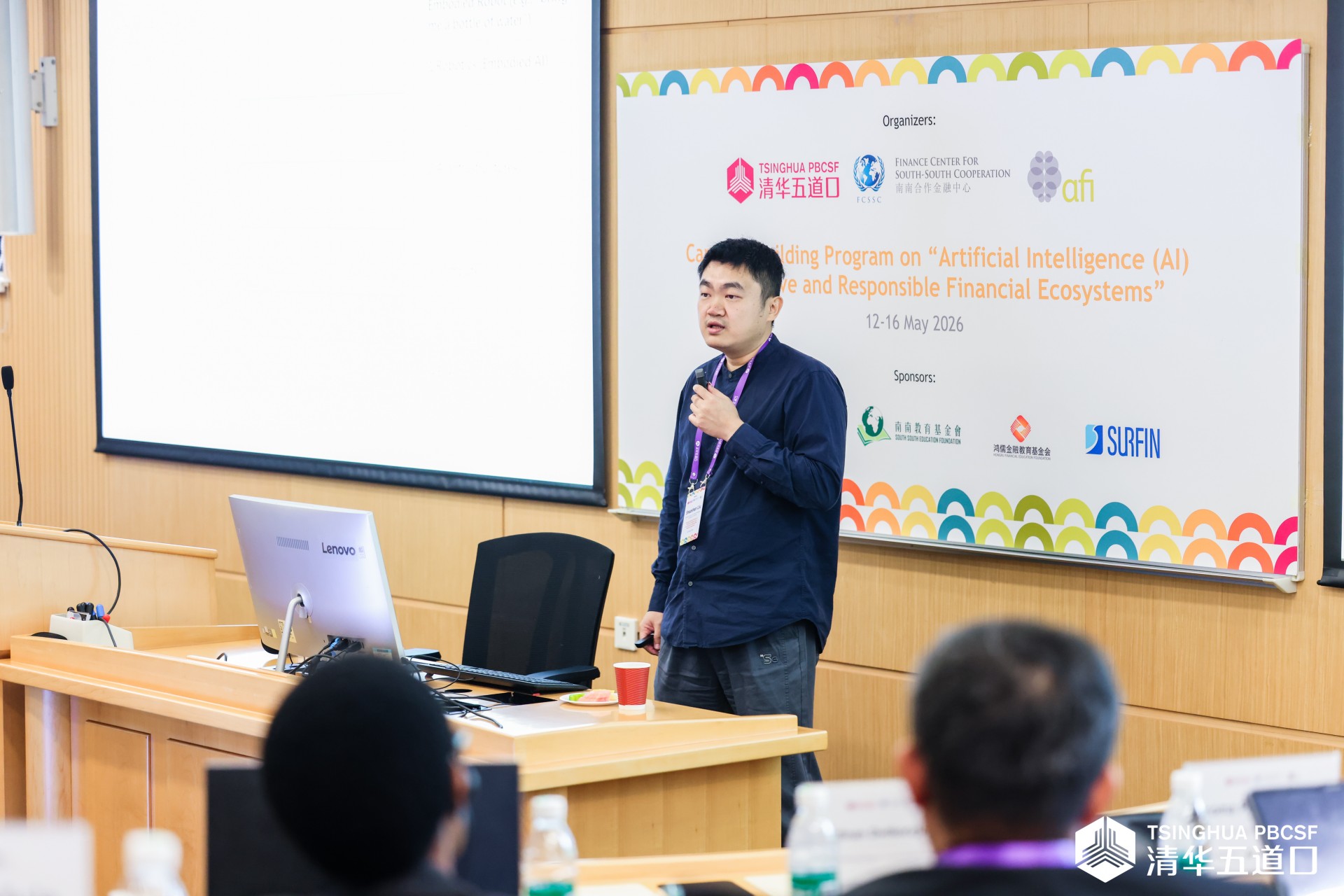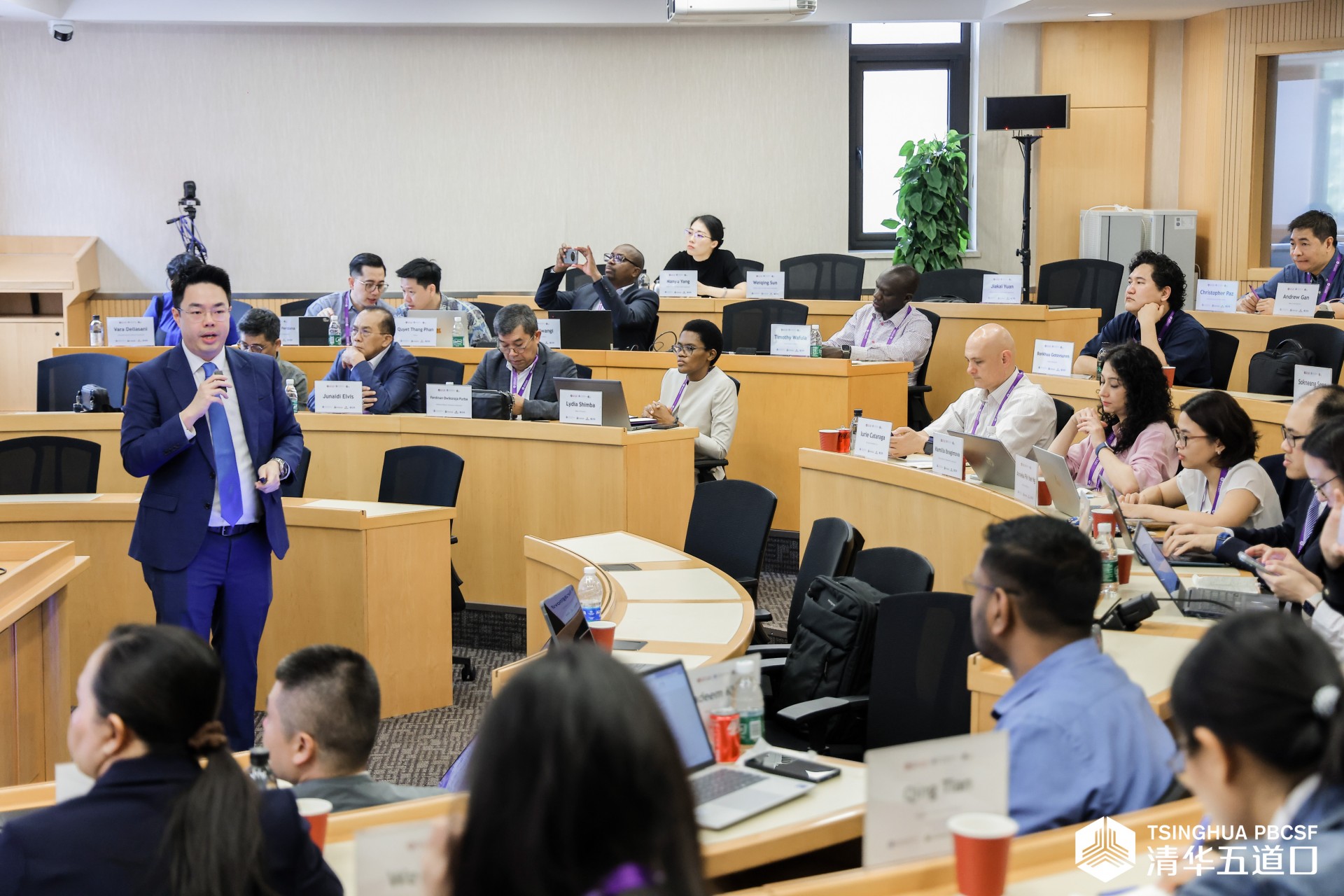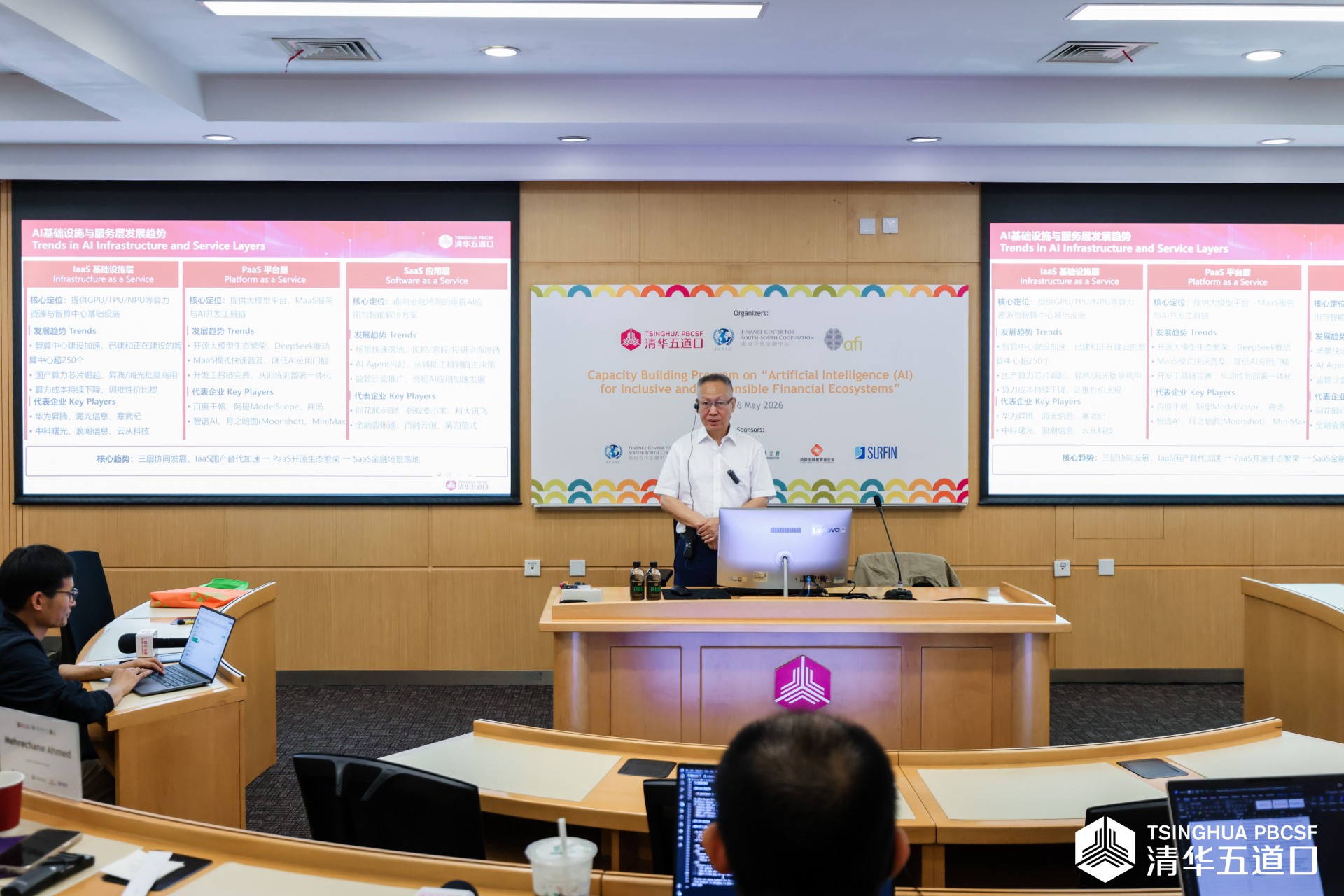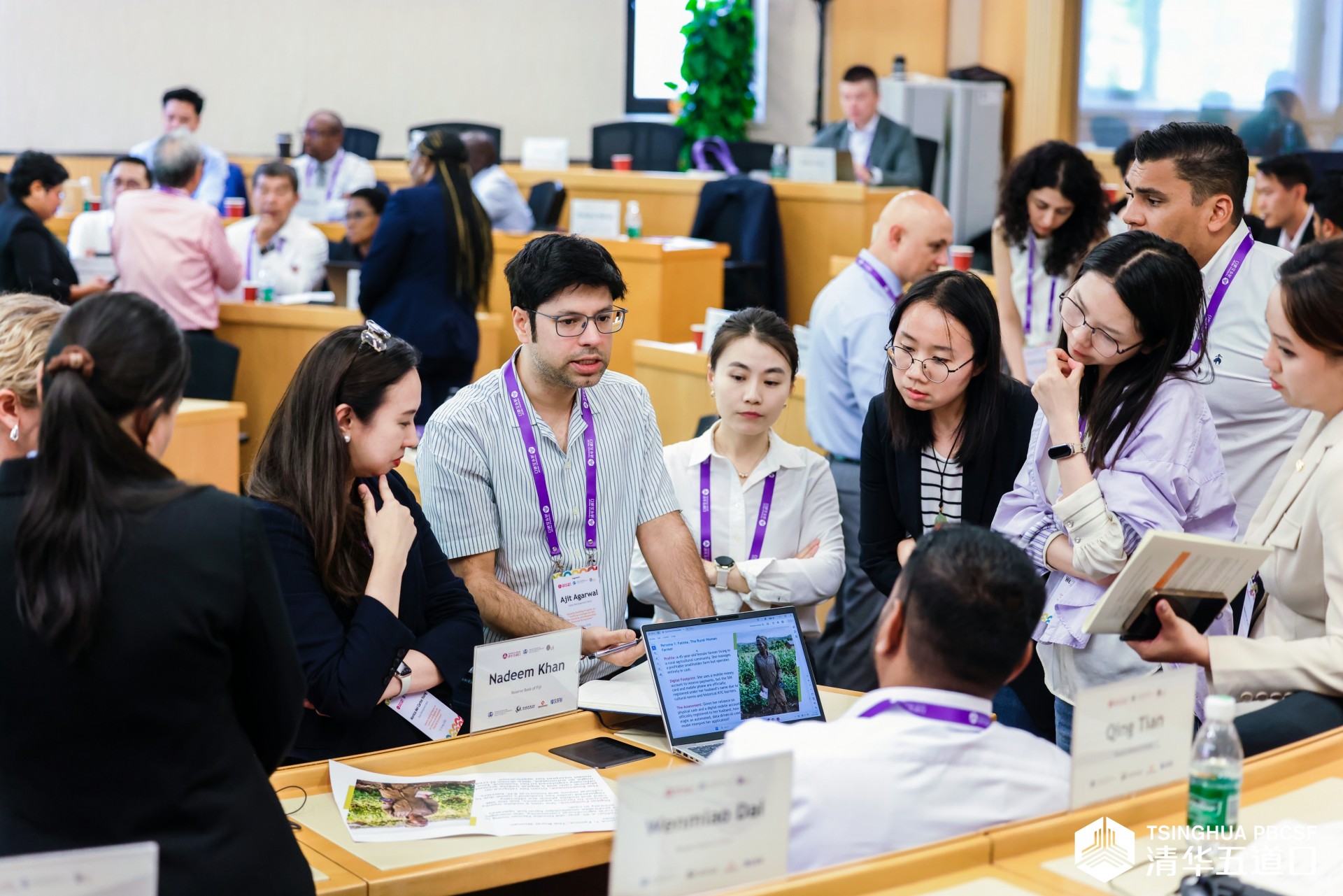
From May 12 to May 19, 2026, Finance Center for South-South Cooperation, in collaboration with Tsinghua University PBC School of Finance and the Alliance for Financial Inclusion, successfully held the "Global Finance Capacity Building Program" in Beijing and Chengdu, China.
Following FCSSC’s renewed collaboration with Tsinghua PBC School of Finance in 2025 to restart the “Capacity Building Program for Developing Countries,” this year’s program represents a joint initiative focused on strengthening financial capacity for institutions in developing countries worldwide. A total of 35 senior officials and senior managers from central banks, multilateral development banks, commercial banks, and other financial institutions convened in Beijing to participate in the program.
The theme of this year’s program is “Artificial Intelligence for Inclusive and Responsible Financial Ecosystems”. It aims to orient participants to the global landscape of AI development, while sharing the latest practical cases and experience in AI applications in China’s financial regulation and corporate innovation sectors. Through a series of interactive design, the organizers brought together participants to explore how, amid the rapid evolution of AI, financial systems can establish more inclusive and responsible cooperation frameworks and management paradigms, so that AI can better support the advancement of financial inclusion. Meanwhile, it is equally important to address the systemic risks and regulatory challenges that AI may introduce.
The training program consisted of lectures and forums. During the first five days, participants attended professional courses, discussions, and field visits in Beijing. In the last two days, the program continued in Chengdu with participation in the Tsinghua PBCSF Global Finance Forum.
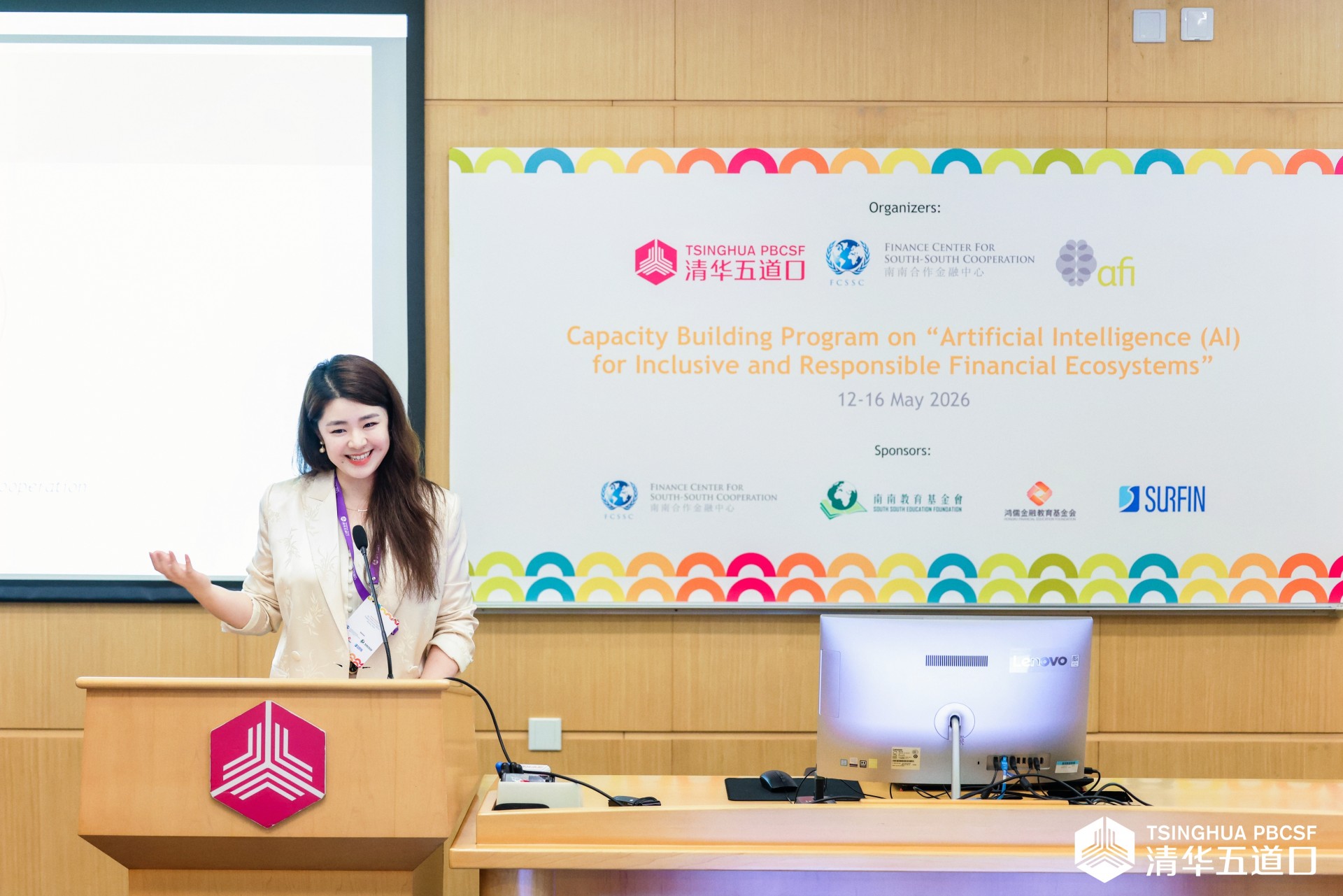
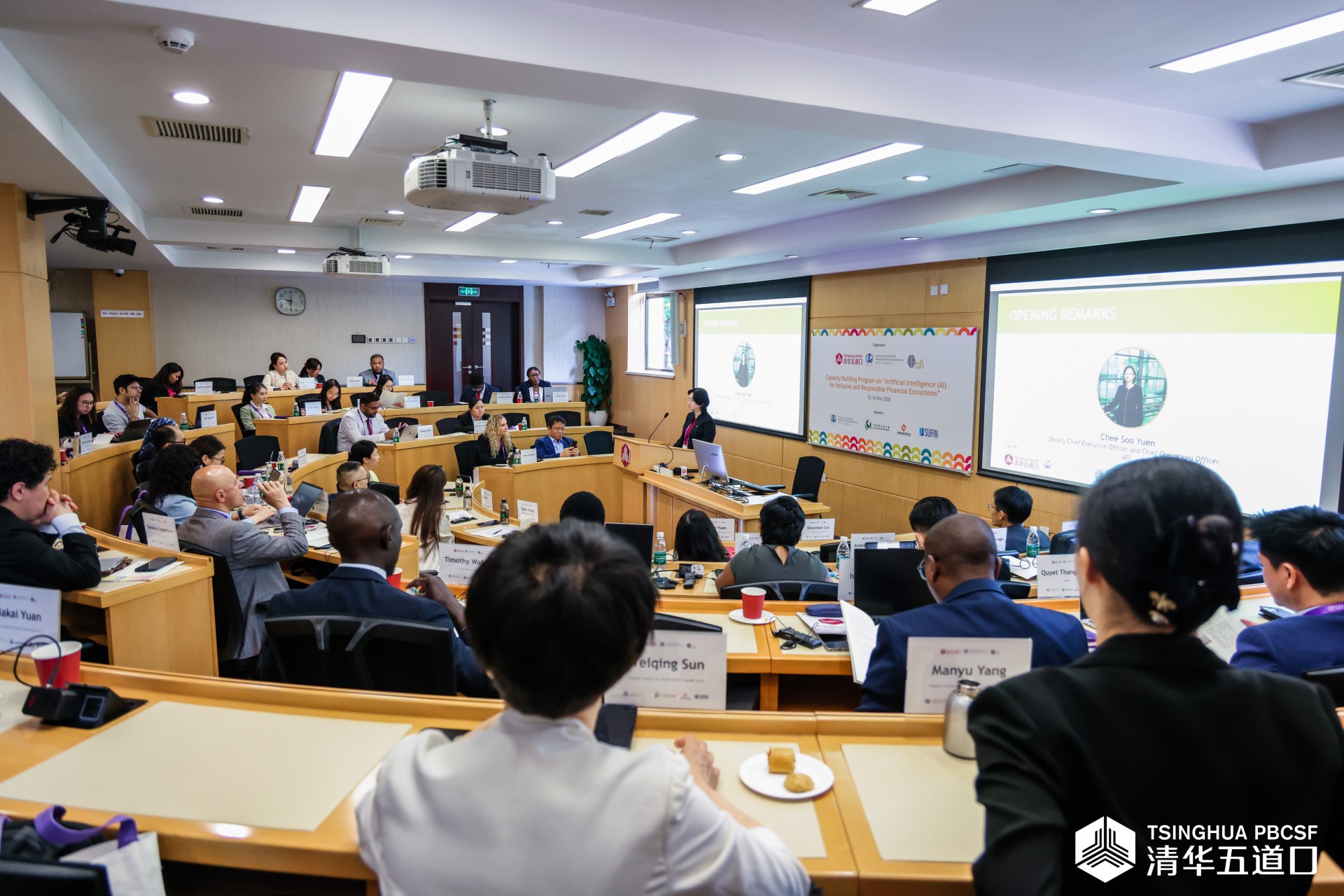
At the opening ceremony held on May 12, representatives of the three organizing institutions delivered opening remarks, including Jiao Jie, Dean of Tsinghua University PBC School of Finance; Joyce Zhang, Senior Deputy Director General of FCSSC; and Soo Yuen Chee, Deputy CEO and COO of the Alliance for Financial Inclusion.
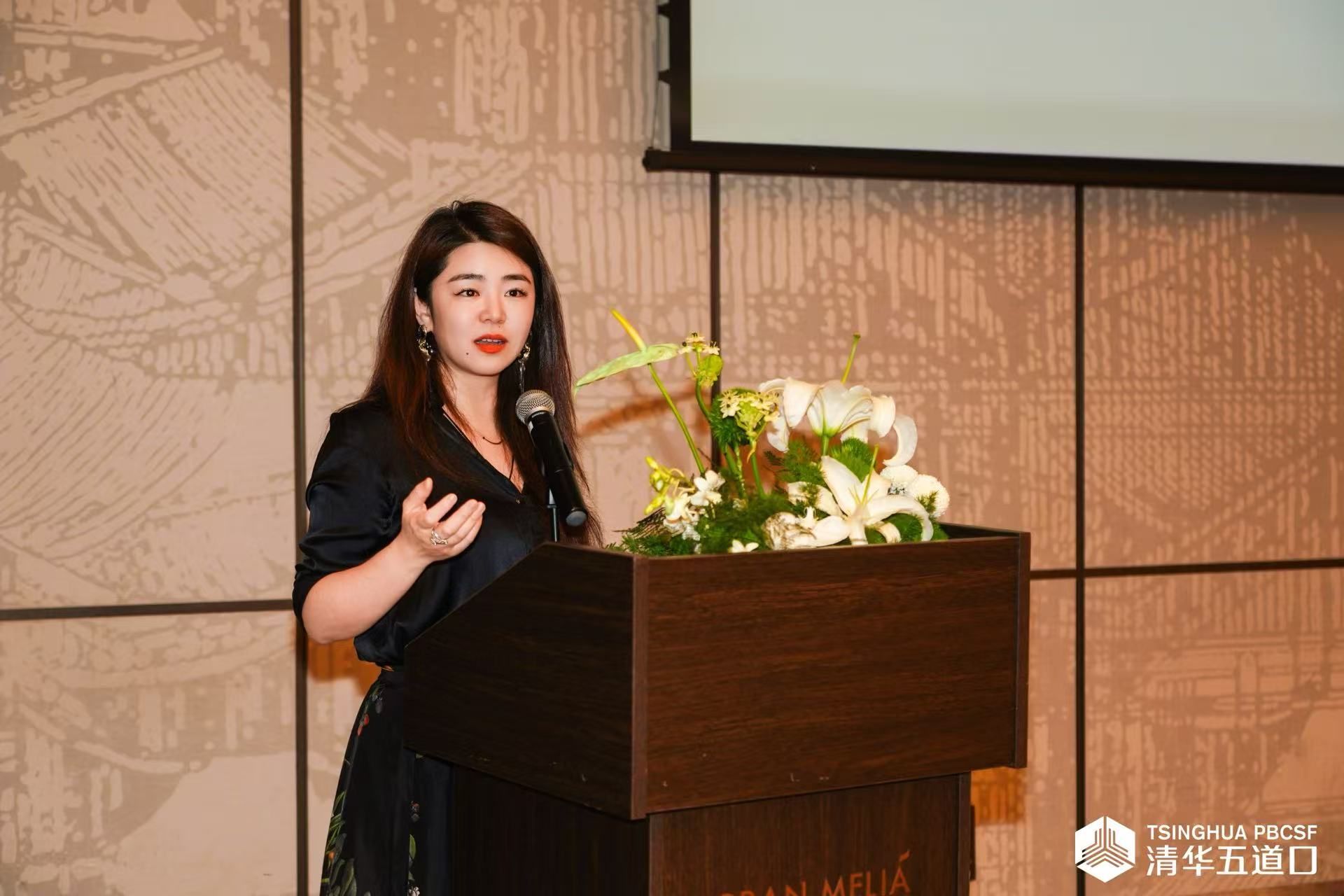
Joyce Zhang noted that this year’s program continues FCSSC’s collaboration with the two partner institutions. With AI technologies evolving rapidly and gaining broader application, the program highlights their close linkages with financial systems. She further emphasized that the inclusiveness of financial systems cannot be achieved by any single party alone. To ensure the benefits of AI development are shared more widely and advance financial inclusion across the whole system, in-depth collaboration among the three co-organizers and active engagement from all attendees are vital. FCSSC hopes that the program will continue to build a platform for exchange, helping participants establish connections and friendships, and strengthening mutual understanding among countries and organizations. She encouraged participants to actively ask questions and reflect during the sessions ahead, so as to gain valuable insights throughout the program.
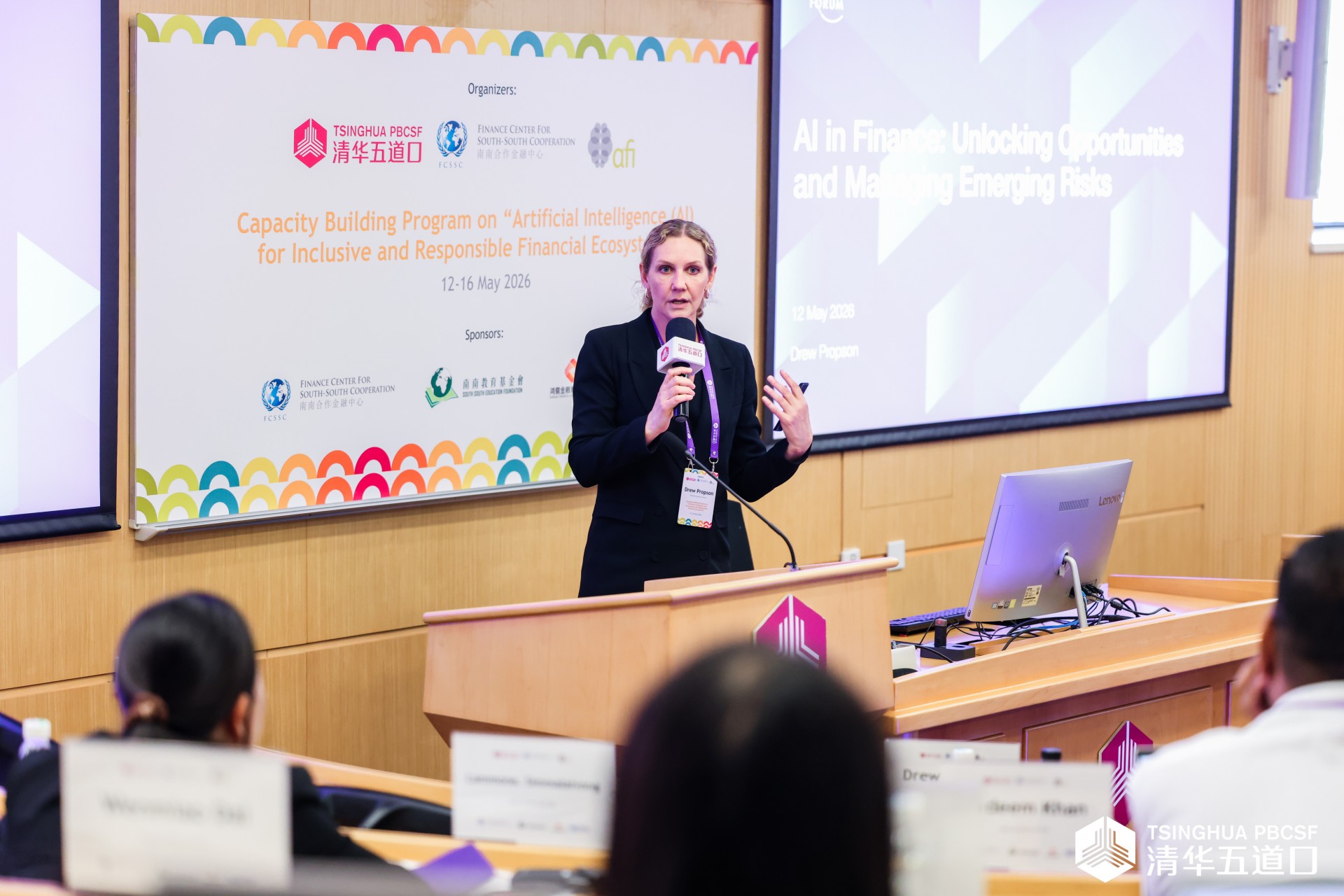
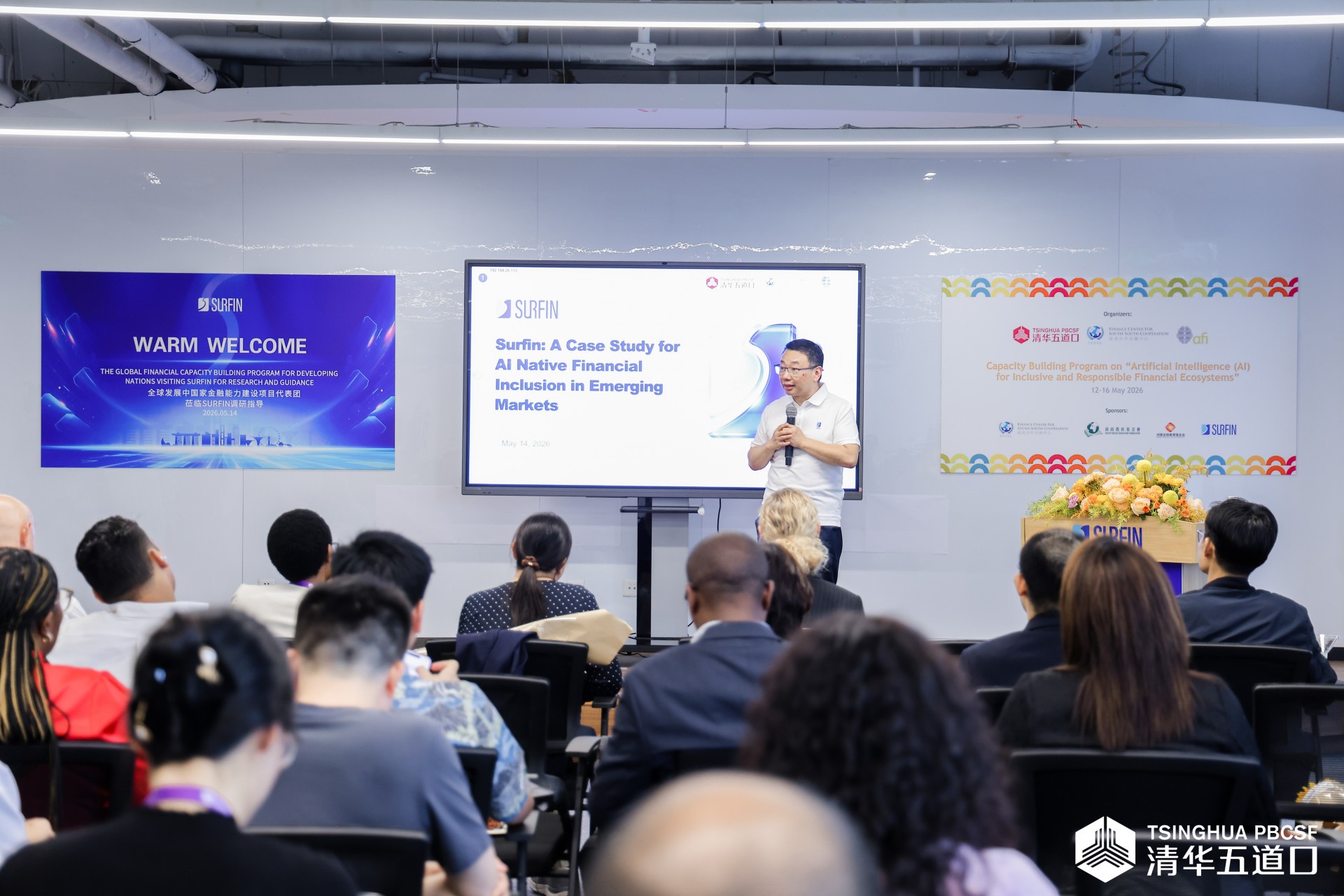
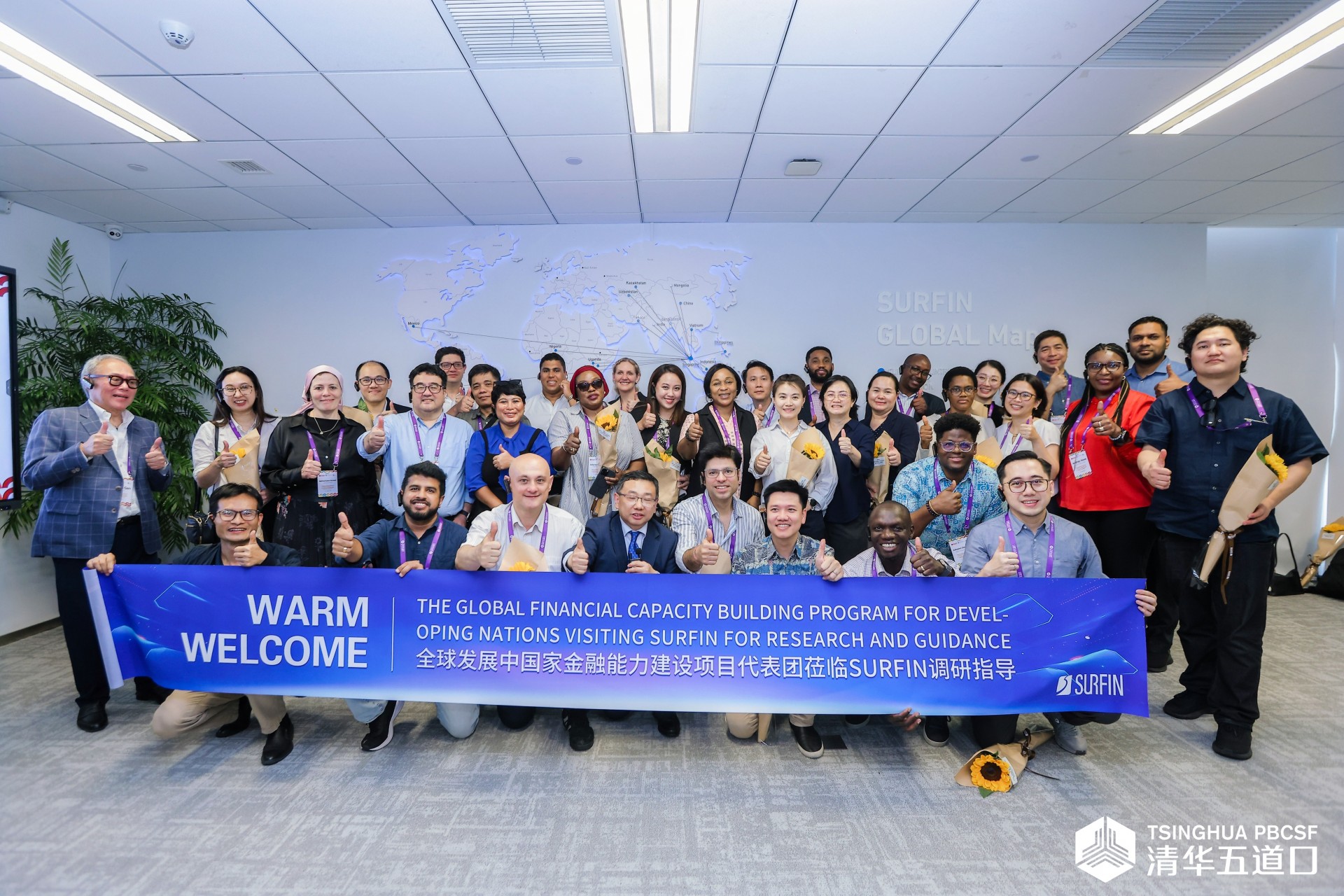
Over the five-day lectures and field visits, numerous distinguished speakers shared insights and held in-depth discussions with participants on relevant topics. They included Liu Shaoshan, Director of Embodied AI at Shenzhen Institute of Artificial Intelligence and Robotics for Society (AIRS); Drew Propson, Head of Technology and Innovation in Financial Services at the World Economic Forum; Feng Cheng, Deputy Chief Engineer at the Institute of Cloud Computing and Big Data, China Academy of Information and Communications Technology (CAICT); Alvin Li, Head of Supervisory Technology at the Hong Kong Monetary Authority (HKMA); Zhang Jianhua, Director of the Research Center for Financial Development and RegTech at PBC School of Finance, Tsinghua University; Xiao Qian, Deputy Director of the Center for International Security and Strategy, Vice Dean of the Institute of AI International Governance at Tsinghua University, among others. In addition to the professional courses, participants also visited several leading technology and financial innovation enterprises in China, including Huawei, ByteDance, Zhipu, and Surfin. Participants gained first-hand experience in how AI is applied across different scenarios and engaged in in-depth exchanges with company leaders.
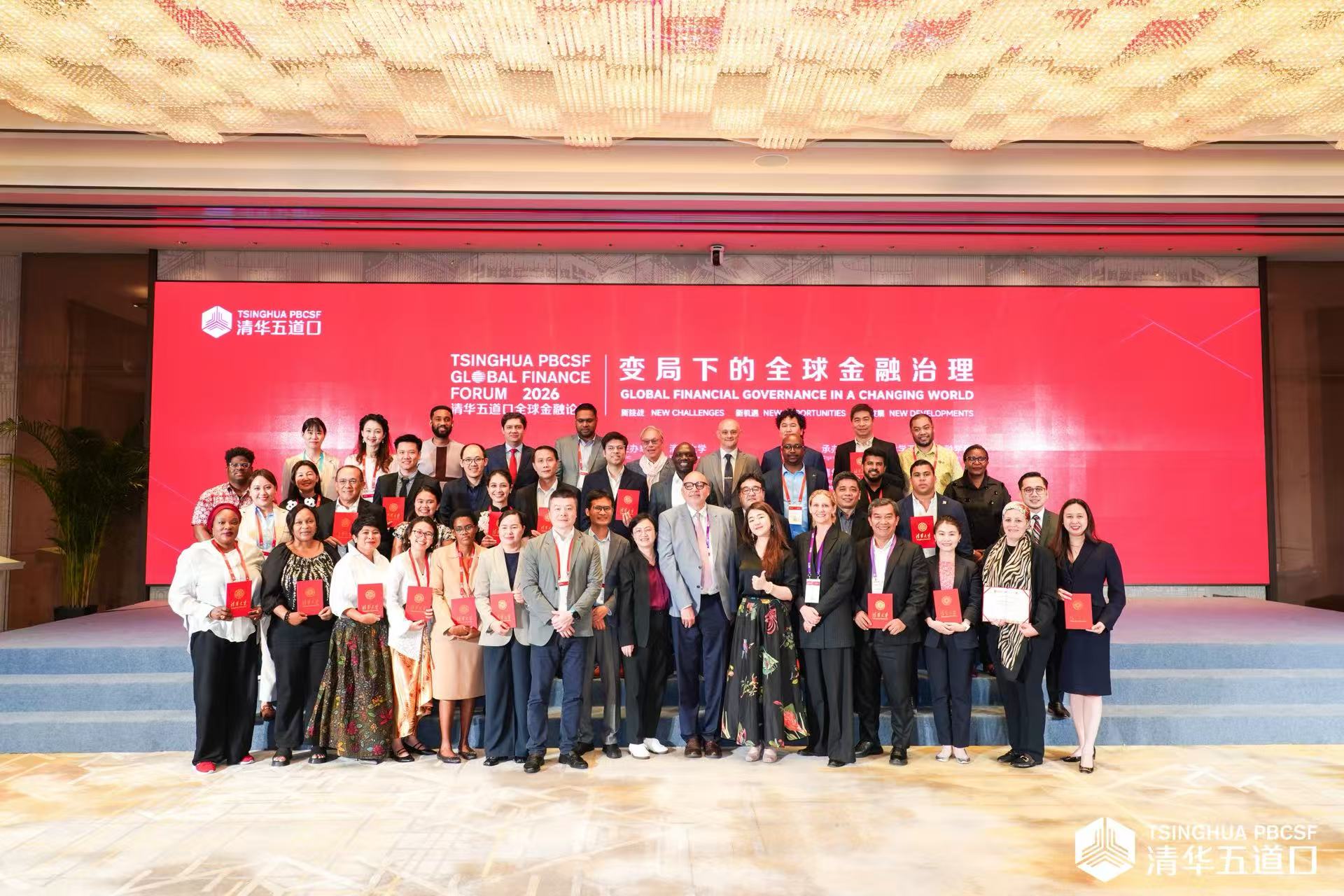
From May 18 to May 19, participants joined Tsinghua PBCSF Global Finance Forum and actively engaged in closed-door discussions on topics highly relevant to the program, including Digital Currencies and Cross-Border Payments, Next-Generation Payment & SupTech Empowered by Digital Technology.On the evening of May 19, the closing ceremony and gala dinner of the Program was held. Joyce Zhang, Senior Deputy Director General of FCSSC, made closing remarks. She, together with Jiakai Yuan, Executive Director General of FCSSC, and leaders from Tsinghua University and AFI, awarded certificates to participants.
Looking ahead, FCSSC will further leverage its Hong Kong-based advantages to collaborate with international bodies as well as universities at home and abroad. It will consistently develop capacity-building programs tailored for developing countries and regions worldwide, so as to pave the way for deeper international exchanges and cooperation.